.jpg)
_1.jpg)
Key Takeaways
- Depreciation Lowers Your Tax Burden – Deducting yearly wear and tear on your rental helps reduce taxable income and can save you significant money over time.
- Eligibility Ensures IRS Compliance – Only income-producing properties with permanent structures qualify, so understanding the requirements keeps your filings accurate.
- Accurate Calculations Maximize Savings – Using the MACRS system and the correct cost basis ensures you claim the full depreciation amount available each year.
- A 1031 Exchange Defers Recapture Costs – Reinvesting sale proceeds into another property allows you to postpone depreciation recapture and keep your investment growing.
One of the deductions landlords have under the Internal Revenue Code is depreciation. As a landlord, understanding how that works can help you maximize tax benefits and stay legally compliant with the IRS regulations. Depreciation allows rental property owners to account for their investment’s normal wear and tear. This can potentially save you thousands in yearly tax dollars if you do it right.
Although just like with any other tax reporting, you’ll want to know what it entails and the requirements you must meet. Luckily for you, this guide by Key Home Sales & Management has you covered. Here’s what you need to know about depreciation and property value.
Learn More About Partnering With Us!
What is Rental Property Depreciation?
This is a basic accounting principle that allows landlords to deduct the cost of their rental investments over a specific period of time. Every year, the IRS assumes that rental properties lose about 3.6% of their value.
This loss of value is what is referred to as depreciation. You can subtract this lost value from your taxable income every year. Resultantly, this can minimize your tax liability, minimizing your operational costs.
How Does Rental Property Depreciation Work?
Buying an investment property is often a huge financial undertaking. Over time, even with regular maintenance, the property depreciates, losing its value. Luckily for you, the IRS has certain tax rules in place that can help you offset the drop in the property’s value. And while the IRS doesn’t allow landlords to take the deduction all at once, the implication to your bottom line can be significant.

The depreciation period to claim deductions is different for real estate assets versus other types of assets. For the residential building, you can depreciate it over 27.5 years, while for furniture, office equipment, and other less expensive items, it is 7 years.
What Are the Eligibility Requirements for Rental Properties?
Not all types of properties qualify for depreciation. For a property to be eligible under the IRS requirements, it must meet the following criteria:
- You must own the property outright, even if you have financed it through a mortgage.
- You must use the property to generate an income. And for this reason, personal residencies, for instance, don’t qualify under the Internal Revenue Code.
- The property must have at least one permanent structure. Land is, however, not eligible for depreciation because it doesn’t undergo normal wear and tear.
Contact Our Experts Today!
How Do You Calculate Depreciation on a Rental Property?
The primary method for calculating rental property depreciation under the IRS is the Modified Accelerated Cost Recovery System (MACRS). The following are the steps you’ll need to follow.
First, determine the property’s cost basis. This is how much you paid to acquire the property. It includes the property’s purchase price, cost of certain upgrades/renovations (if any) and closing costs. You must then subtract the cost of the land the property sits on.
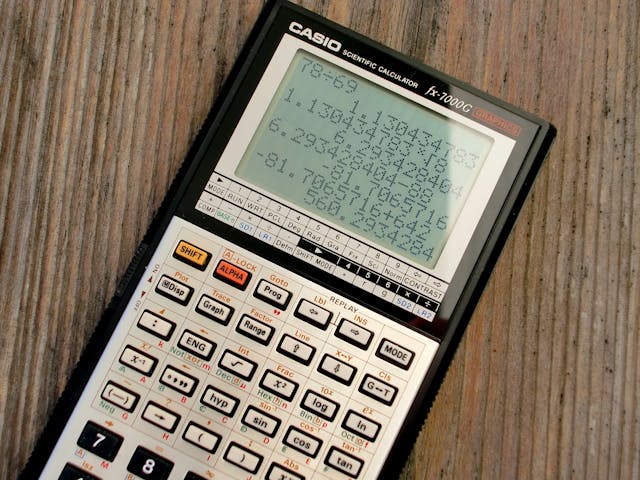
Suppose, for instance, that you paid $1,000,000 to acquire a rental property. If the cost of land is $55,000, closing costs amount to $15,000, and perhaps you spent $4,000 to add a patio, the property’s cost basis would be $964,000 ($1,000,000+$15,000+$4,000-$55,000).
The following are some examples of closing costs:
- Legal fees.
- Abstract fees.
- Transfer taxes.
- Surveys.
- Title insurance.
- Utility installation fees.
- Recording fees.
Next, you’ll want to calculate the depreciation cost of the property using the straight-line depreciation method. To do this, divide the property’s cost basis by the recovery period, usually 27.5 years.
Annual Depreciation = Depreciable Cost Basis/Useful Life (Recovery Period). From our calculation, this would be $964,000/27.5=$35,054.
Meet Our Team!
How Can You Avoid Depreciation Recapture Tax on a Rental Property?
Depreciation recapture can come about when you’re trying to sell the investment property. A recapture tax allows the Internal Revenue Service to collect the annual depreciation cost that you’ve previously claimed, essentially reclaiming some of the tax benefits you received over the years.
A recapture tax is the difference between the sale value and the depreciated value of a property. The tax is capped at 25 percent of the original depreciated value, depending on the usual rental income tax rate after selling the property at a profit. This means that any gain tied specifically to depreciation is taxed differently from the rest of your profit, and it can increase your overall tax burden if you’re not prepared.
That said, there is a way in which you can avoid paying the recapture tax. This works the same way as when avoiding capital gains tax, which you can defer through a 1031 Exchange. By reinvesting the proceeds into another qualifying property, you can postpone both capital gains and depreciation recapture, giving you more flexibility in how you grow your investment portfolio.
Property Management FAQ's
Bottom Line
Now you know what depreciation on a rental property entails and how you can maximize it. You can use this knowledge to lower your tax bill every year, minimizing your operational costs. Ideally, work with a professional to ensure utmost compliance with the Internal Revenue Service (IRS) regulations.
Key Home Sales & Management provides quality rental property management services in Northern Virginia. We deliver tailor-made solutions to meet the unique needs of rental property owners. Get in touch to learn more!